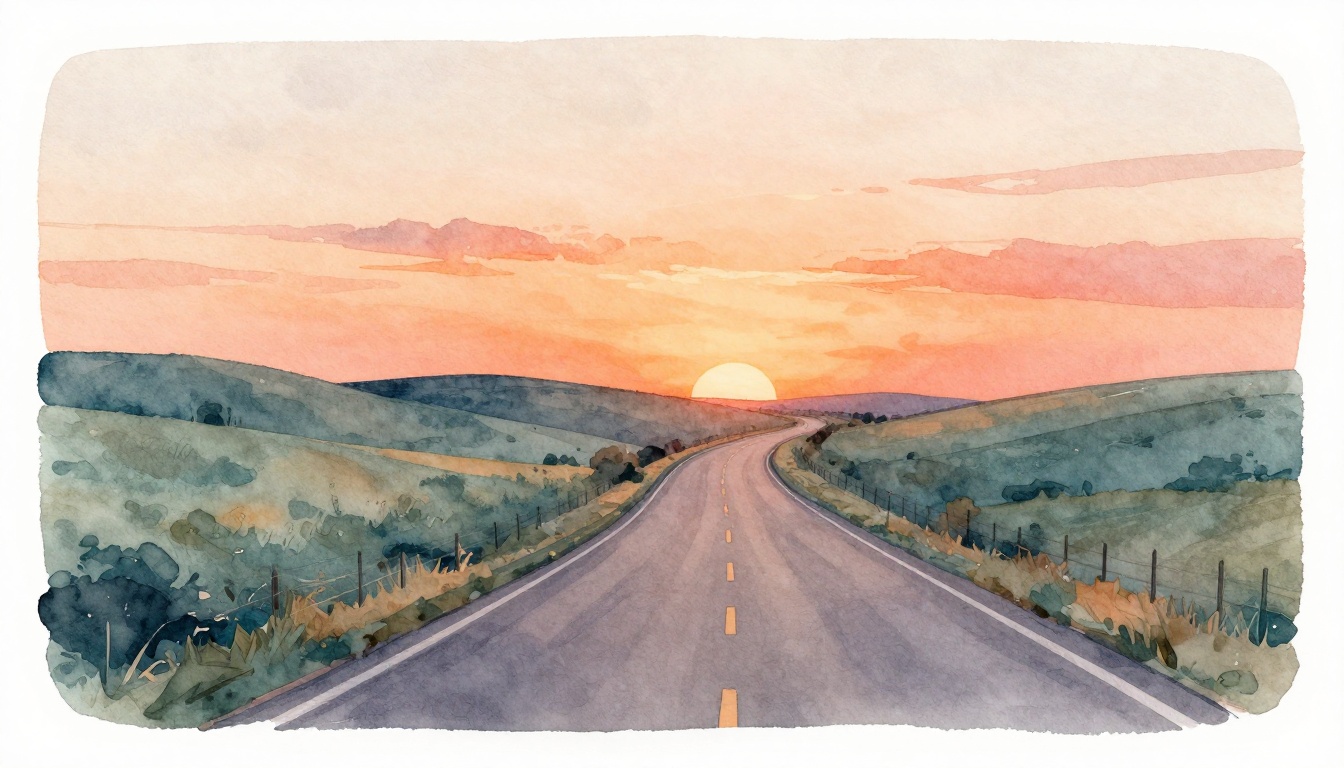
Imagine you snap a photo of a winding road stretching toward a fiery sunset. Viewers can’t look away. Their eyes follow that path right to the glowing horizon. That’s the magic of leading lines.
These lines act as visual paths in your photos. They draw the eye from the edges straight to your main subject. You don’t need fancy gear for this trick. It works with any camera. Leading lines make flat shots pop. They add depth and tell a story fast.
In this post, you’ll grasp what leading lines do. You’ll spot five common types around you. Then follow steps to use them right. Pick up pro tips to avoid mistakes. See real examples that nail it. Next time you shoot, try one. Watch your photos grab attention.
What Are Leading Lines and Why Do They Work?
Leading lines show up as roads, fences, or rivers in your frame. They guide the viewer’s eye from one spot to the focal point. Think of them like arrows on a road sign. Your brain wants to follow them.
People scan images in patterns. Eyes start at the edges or strong contrasts. Then they trace lines to the center. This creates flow. Without lines, eyes bounce around. Photos feel messy. With them, compositions strengthen. Stories emerge clear.
Benefits pile up quick. First, they boost composition. Every element connects. Second, they tell tales better. A path to a lone tree hints at journeys. Third, shots look pro. Amateurs clutter frames. You stand out.
Consider a cluttered beach scene. Waves, umbrellas, and people fight for space. Eyes wander lost. Now add a pier jutting out. It pulls focus to a boat at the end. Simple fix. Huge impact.
Lines tap psychology too. Humans love order. We follow paths in real life. Photos mimic that. Roads suggest travel. Rails build tension. Keep it natural. Force nothing.
The Eye’s Natural Journey Through Your Photo
Eyes don’t jump random. They seek structure. Strong lines speed the scan. Start at frame edges. Follow the path. Land on the subject.
Clutter fights this. Busy backgrounds scatter attention. A clean line cuts through. For example, a landscape lacks punch without paths. Add a river snaking to mountains. Eyes lock in.
Reinforce with tools. Boost contrast so lines pop. Use color too. A bright rail against dark sky grabs faster. Test it. Shoot the same scene plain. Then add lines. Compare views.
Spot These 5 Common Types of Leading Lines Everywhere
Variety keeps your shots fresh. Mix types for interest. Here are five you see daily. Straight lines pack power. Curves add grace. Diagonals energize. Implied ones whisper. Converging build depth.
Hunt them smart. Walk streets or trails. Look low and high. Phone screens help preview. Each type fits scenes. Roads rule outdoors. Shadows work indoors.
Straights demand attention. They march bold. Diagonals tilt for energy. Curves invite strolls. Implied lines hide in gestures. Converging shrink distance. Pick one per shoot. Build from there.
Straight and Diagonal Lines for Bold Direction
Roads slice landscapes clean. Fences border fields. Building edges rise tall. Straights say direct. No detours.
Diagonals shift that. They add motion. A slanted sidewalk pulls eyes up. Urban spots abound. Sidewalks, stairs, poles. Rural ones too. Plowed furrows. Fallen logs.
Position subjects at ends. Energy flows natural. Shoot wide to capture full force.
Curved Lines That Create Smooth, Flowing Paths
Rivers bend gentle. Paths wind through parks. Arches frame doors. Curves build suspense. Viewers wonder what’s next.
Nature gifts them. Branches arch over ponds. Waves roll in. Architecture joins. Stair rails spiral. Bridges swoop.
They soften hard subjects. A curved road to a cabin feels welcoming. Pair with soft light for calm.
Implied Lines from People or Animals
No drawn marks here. Gestures create them. An arm points ahead. Eyes gaze right. Powerful yet subtle.
Portraits shine with this. A model’s look leads to details. Couples hold hands. Line traces connection. Animals too. A dog chases ball. Path shows motion.
Spot crowds. Rows of heads imply direction. Keep it simple. One strong gaze beats many.
Converging Lines That Build Depth and Drama
Tracks narrow far off. Hallways shrink to doors. Lines meet at horizons. This tricks eyes into depth.
Railroads classic choice. They suck you in. Streets in cities do same. Lines funnel to taxis or signs.
Drama peaks at ends. Place heroes there. Tension rises as lines close.
Your Step-by-Step Guide to Using Leading Lines Right
Start simple. Scan every scene. Lines hide everywhere. Get comfortable. Practice builds skill.
First, find them. Second, angle your camera. Third, end lines at subjects. Fourth, clean the frame. Fifth, shoot variations. Wide lenses amp drama. Basics first.
Workflow saves time. Pause before snapping. Ask: where’s the path? Adjust stance. Click series. Review later.
Position Yourself and Your Camera for Maximum Impact
Kneel low for roads. They tower dramatic. Eye level suits paths. High angles make rails vanish strong.
Foreground lines hook eyes first. Step aside. Tilt up or down. Experiment quick. One minute shifts everything.
Frame the Shot to Point Straight to Your Subject
Lines must start at edges. End smack at focus. No detours.
Crop distractions post shoot. Tight frames punch harder. Leave space for pull. Test rules. Break some too.
Master Leading Lines with These Pro Tips and Fixes
Combine with thirds rule. Place subjects there. Lines reinforce. Light helps. Side sun makes shadows lead.
Watch rivals. One competing line confuses. Pick the strongest. Vertical lines lift moods. Horizontals calm.
Mistakes happen. Lines point wrong way. Too many clutter. Fix in edits. Straighten slight. Darken extras.
Test your shots. Does the eye go where you want? Adjust next time.
Pair Leading Lines with Other Composition Tricks
Rule of thirds grids subjects. Lines point there perfect. Foreground adds layers. Symmetry balances curves.
Layer them. Path through flowers to peak. Depth explodes. Keep balance. Don’t overload.
Avoid These Traps That Ruin Your Leading Lines
Clutter kills flow. Busy edges distract. Wrong angles bend unnatural. Crop tight.
Over-edit warps lines. Subtle tweaks only. Before shots feel flat. Afters guide clean.
Inspiring Examples That Show Leading Lines in Action
Urban street nails it. Sidewalks converge on a busker. Eyes rush from edges to his guitar. Depth pops in flat city.
Nature path winds to waterfall. Curves tease drops. Moss adds texture. Peaceful pull.
Portrait uses gaze. Hiker eyes distant peak. Implied line connects man to goal. Story instant.
Architecture hallway shrinks to window. Converging walls frame light. Mystery draws in.
Railroad to barn. Straights build speed. Lone tree ends it. Classic drama.
Study these. Recreate one. Share yours below. What lines do you spot?
Your average shots transform easy. Spot lines daily. Follow the steps. Experiment bold. Leading lines turn snapshots pro.
Grab your camera now. Try curves this week. Post results in comments. Got questions? Ask away. Keep shooting. You’ll see the difference fast.