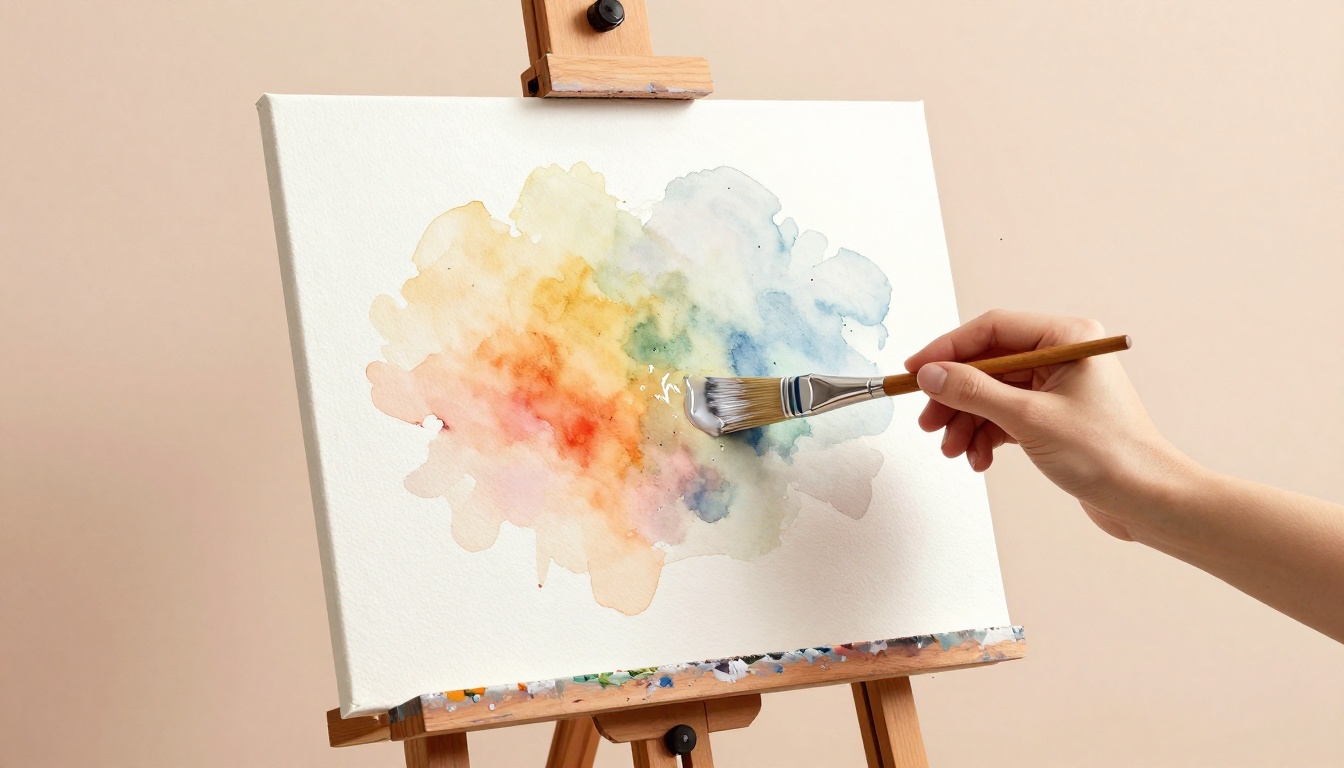
Picture this. You finish a painting you love. You hang it on the wall. Months later, dust covers it. Colors look dull. Fingerprints smudge the surface. It hurts to see your work fade like that.
Dust ruins art fast. It sticks to oils and acrylics. It scratches as you wipe it off. Sunlight yellows unprotected paint over time. Final varnish changes everything. This clear topcoat seals your painting. It blocks dust, fingerprints, UV rays, and pollutants. Colors stay bright. Cleaning becomes simple with a soft cloth.
Varnish evens out shine. It hides brush strokes in matte areas. Your oil or acrylic piece gets pro protection. Best part? You can do this in under an hour. No fancy skills needed. We’ll cover it all: pick the right varnish, prep well, apply smooth coats, and avoid pitfalls. You’ll end up with a dust-proof masterpiece. Ready to shield your art? Let’s start.
Why Varnish Your Painting to Block Out Dust and Damage
Dust finds unprotected paintings quick. It settles in paint pores. Over time, it dulls vibrant hues. Wiping it away scratches the surface. Pollutants in the air make it worse.
Varnish seals those pores tight. It creates a barrier against dust and grime. Handling your art won’t leave marks anymore. In addition, it protects from UV light. Colors resist fading for years.
Think about sheen. Varnish unifies matte and glossy spots. Your painting looks polished. Cleaning? Just a soft cloth glides over it. No harsh chemicals needed.
Compare the two. An unvarnished canvas gathers dust in weeks. Colors mute. A varnished one stays clean with light dusting. It shines under light.
Most importantly, varnish is removable. If you change your mind, a conservator lifts it off. No damage to the original layers. Wall art or small canvases benefit most. They face daily exposure.
For example, a landscape painting on your mantle collects fireplace soot without varnish. With it, soot wipes away easy. Protect your painting from dust now. You’ll see the difference right away.
Choose the Right Varnish and Gather Your Supplies
Pick varnish based on your paint. Acrylic polymer works for modern pieces. It dries fast. Damar suits traditional oils. Synthetics offer flexibility.
Finishes matter too. Matte hides strokes well. It cuts glare. Satin gives balanced light. Gloss amps up color depth. But it shows dust more. Beginners like Gamblin Gamvar. Or try Liquitex for acrylics.
Gather tools first. You need a soft synthetic brush, 1-2 inches wide. Lint-free cloths help. Painter’s tape protects edges. A drop cloth saves your table. Mineral spirits clean oil varnishes. Water works for acrylic types.
Quality counts. Cheap varnish bubbles or cracks. Set up in a dust-free room. Good ventilation keeps fumes low. Total cost stays under $50.
Test a sample. It ensures match to your paint.
Matching Varnish to Your Paint Type
Acrylic paints pair with water-based varnish. They dry in hours. Flexibility prevents cracking as canvas shifts.
Oil paintings need oil-compatible varnish. Wait for full cure first. Acrylics take 1-2 weeks. Oils need 6-12 months. Alkyd oils dry faster, in weeks.
Mixing types causes adhesion fails. Paint peels later. Always check labels. Match for best bond.
Essential Tools for a Flawless Finish
Start with a wide flat brush. It spreads even strokes. Microfiber cloths remove dust best. Gloves block skin oils.
Optional spray varnish gives smooth results. Control proves tricky though. Beginners stick to brushes.
Budget smart. Brushes run $10. Varnish $15. Cloths and tape add $5. You stay low cost.
Prepare Your Painting and Workspace for Success
Prep sets up success. Dust trapped under varnish ruins the finish. Start clean.
Close windows. Vacuum floors and shelves. Wear fresh clothes. No pets nearby.
Let paint cure fully. Dust off with a soft brush. Or use compressed air. Wipe with a damp cloth. Dry types use solvent if needed.
Tape frame edges. Lay flat on a drop cloth. Why bother? Clean prep means no specks in your final varnish.
It takes 15 minutes. Results last years.
Apply Varnish Evenly with These Foolproof Steps
Stir varnish gentle. No shaking or bubbles form. Load brush light. Work top to bottom.
Use thin coats. Feather edges. Avoid lap marks. First coat seals. Dry 24 hours.
Sand light if rough. Add 1-2 more coats. Humidity slows dry time. Aim for 65-75F room.
Long strokes follow paint direction. Thin with medium if thick. Patience builds a glass shield against dust.
Load Your Brush and Start with a Thin First Coat
Dip brush one-third deep. Wipe excess on can rim. Stroke even, along grain.
Cover full surface. No pools. One pint coats a large canvas. Work quick before it skins.
Build Layers for Maximum Dust Protection
Wait full dry. Sand with 0000 steel wool if bumpy. Second coat goes thicker.
Add third for heavy use art. Total cure takes 1-2 weeks. Then hang safe.
Common Mistakes to Avoid and Quick Fixes
Thick coats crack later. Shake less to skip bubbles. Poor prep traps dust.
Wipe bubbles right away. Redo bad spots after cure. Test on scrap canvas first.
Aftercare keeps it fresh. Dust gentle. Skip direct sun. Clean with distilled water.
Varnish lasts 5-10 years. Reapply then. You’ve got this.
What to Do If Bubbles or Brush Marks Appear
Pop wet bubbles with a pin. Smooth with dry brush. Sand light between coats for even shine.
Apply at angle next time. Marks fade.
Your painting now stands dust-proof. Prep right. Choose matching varnish. Apply thin coats with patience.
Colors pop. Cleaning stays easy. Try it this weekend. Share your before-and-after in comments.
Preserve those art memories. Your walls thank you. What painting will you protect first?