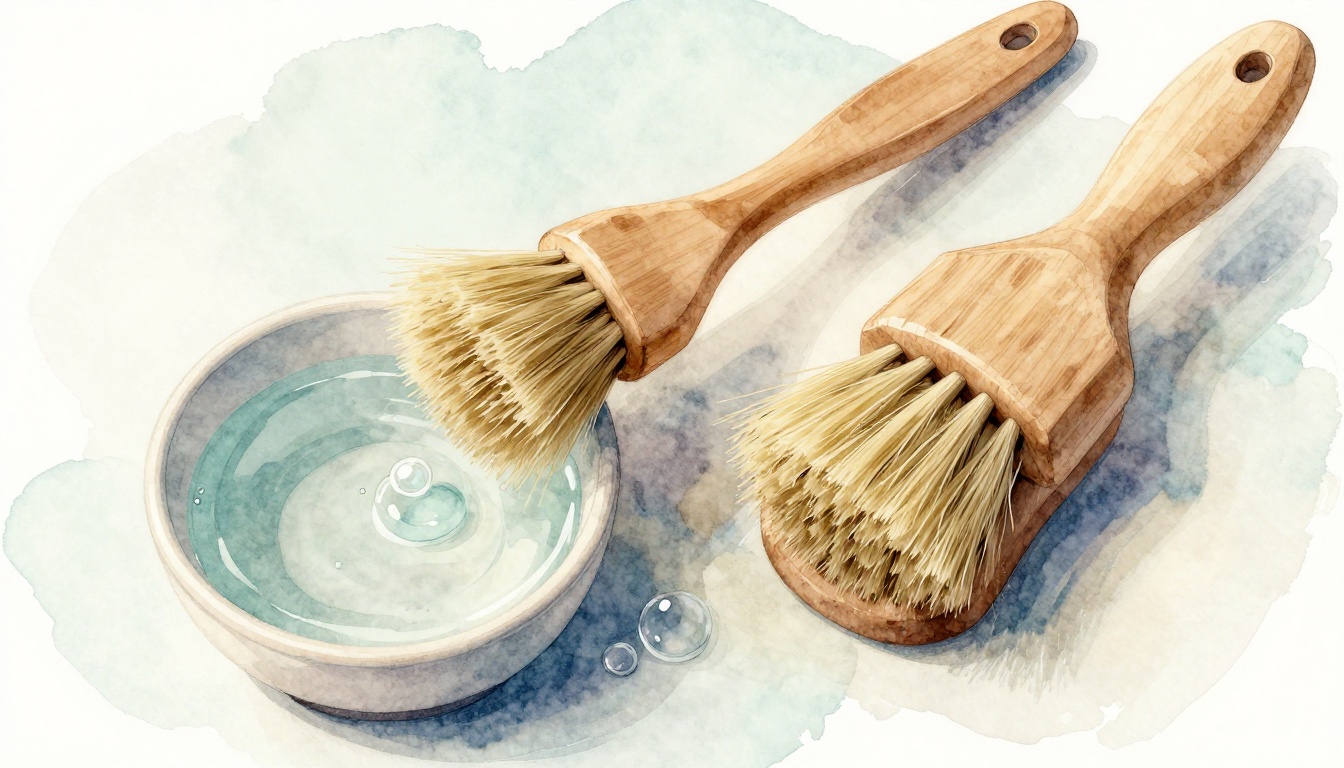
You pull your hair brush through a tangle, and bits of old product and loose strands stick everywhere. That buildup transfers right back to your scalp, causing dull hair or even breakage over time. Synthetic brushes with tough nylon fibers excel at detangling wet hair, while natural ones like boar bristle gently spread oils for shine, but they demand extra care.
Both types collect grime fast, yet cleaning them wrong leads to bent bristles or scalp issues. You can fix that with simple steps tailored to each. These routines save money on replacements and keep your hair healthy.
Ahead, you’ll spot the differences first. Then follow easy guides for synthetic and natural brushes, plus tips to avoid mistakes.
Synthetic vs Natural Hair Brushes: Key Differences That Affect Cleaning
Synthetic and natural brushes handle hair differently, so their cleaning needs vary too. Synthetic ones use plastic-like bristles that resist water and products. Natural bristles come from animal hair, like boar or horse, and they soak up oils easily.
This matters because wrong methods damage them. Synthetic stays firm in soap and heat. Natural sheds or loses shape if you soak it long. Does your brush hold water on the surface or absorb it quick?
Spotting Synthetic Bristles on Your Hair Brush
Look for shiny, smooth bristles that bend but snap back. They resist heat and stay straight in water. You find nylon or plastic fibers in most drugstore paddle or round brushes.
These cost less and last longer under daily use. They grab fewer oils, so cleaning feels straightforward. However, static buildup happens if you skip rinses.
For example, a vent brush for blowouts often has synthetic tips. It grips wet hair without pulling. Test it by soaking; water beads up instead of sinking in.
Recognizing Natural Bristles and Their Special Needs
Natural bristles feel soft and matte, often slightly curved. Boar, goat, or sable hair absorbs scalp oils to polish cuticles. They shine hair better but cost more.
These hate long water exposure. Glue at the base loosens, and oils strip out fast. Rub one on your hand; it grabs skin oils right away.
Premium styling brushes use them for frizz control. In contrast, they fan out when wet. Clean gently to keep that softness.
Easy Step-by-Step Cleaning for Synthetic Hair Brushes
Synthetic brushes take soap and water without fuss. They handle deep cleans well across paddle, round, or oval styles. Reshape them damp to fight splaying.
The process leaves them sparkling, free of residue. Your hair grips better, and tangles vanish. Follow these steps weekly for best results.
Gather These Simple Supplies First
Stock up on mild shampoo or brush cleaner. Add warm water, a wide-tooth comb, and microfiber towel. Olive oil works optional for shine.
The comb pulls hair clumps fast. Towel pats dry without rubbing, which bends bristles. Shampoo cuts through gel or hairspray buildup.
Follow This Quick Cleaning Routine
- Pull loose hair with the comb. Work from base to tips until clear.
- Mix shampoo in a bowl of warm water. Swirl the brush head for 30 seconds.
- Rinse under running faucet until suds gone. Clear water means done.
- For heavy product, add conditioner. Let sit one minute, then rinse again.
Repeat if needed. This takes under five minutes. Bristles stay flexible afterward.
Dry and Reshape for a Like-New Look
Pat dry with towel right away. Comb straight through or pinch base to align.
For round brushes, fan out with fingers. Lay flat or hang upside down overnight.
Skip blow dryers; heat warps them. By morning, they look factory fresh. Store upright to hold shape long term.
Gentle Cleaning Routine for Natural Hair Brushes
Natural brushes need a light touch to keep oils intact. No soaking here, unlike synthetic ones. Wipe and dab preserves softness and prevents frizz transfer to hair.
Reshape integrates into drying. Do this every 1-2 weeks. Results mean smoother strokes and healthier shine.
Supplies Tailored for Natural Bristles
Pick boar brush cleaner or baby shampoo. Grab a soft cloth, paper towels, conditioner, or argan oil. Use a wide comb too.
Skip harsh chemicals; they dry out hairs. Cloth wipes without drenching. Oil restores natural feel post-clean.
Clean Without Water Damage Step by Step
- Remove hair with comb. Twist gently at base.
- Mix soap in shallow water. Dip cloth, then wipe bristles lightly.
- For deeper clean, dab soapy solution on paper towel. Brush back and forth dry.
- Rinse cloth clean. Touch bristles briefly if buildup lingers.
Dry motions mimic daily use. This avoids glue damage. Whole process stays under 10 minutes.
Reshape and Restore Natural Bristles Properly
Add one drop of oil or conditioner. Comb through while slightly damp.
Pinch near ferrule to reshape curve or flat pack. Place upright on towel overnight.
For stubborn bends, hold over kettle steam briefly. Air dry fully before storing. Bristles regain polish fast.
Avoid These Common Pitfalls and Boost Brush Longevity
Many soak natural brushes like synthetic ones. That loosens bristles quick. Instead, stick to dry wipes.
Hot water warps both types, so use warm only. Forgetting reshape leads to splayed ends that snag hair.
Store flat under pillows bends them overnight. Hang or stand upright always.
Clean every 1-2 weeks, deep monthly. Travel? Use a vented bag for air flow.
Picture a stylist with perfect brushes; now you match that. Fewer bad hair days follow. Healthy scalps thank you too.
Routine care doubles brush life. Your hair stays tangle-free and glossy.
Both synthetic and natural brushes thrive with the right care. Synthetic handles soaks and reshapes easy. Natural needs wipes, oil, and gentle drying.
These steps prevent buildup and damage. You get shiny, smooth hair without replacements.
Grab your brush today and try it. Share your before-and-after in comments. Pin this for your routine; pro secrets work for everyone.