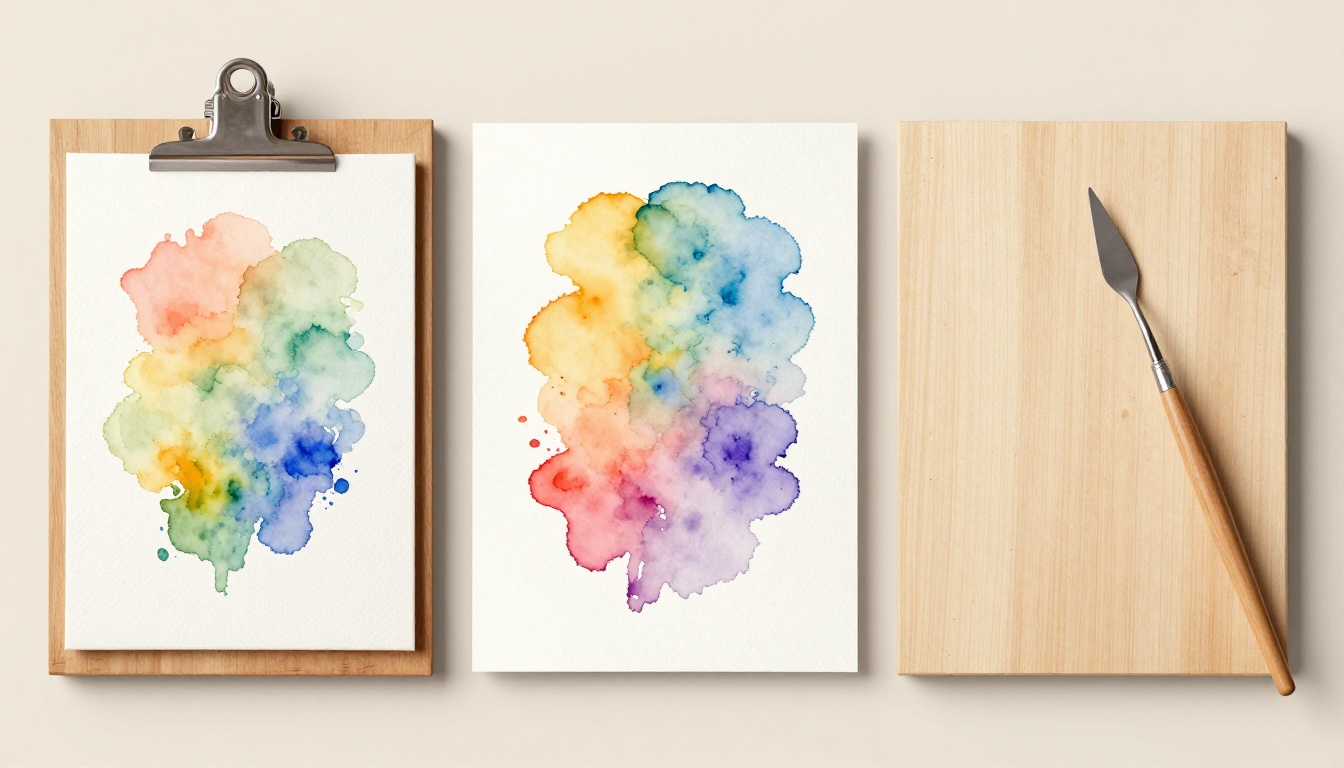
Picture this: you grab cheap sketch paper for your first oil painting. The paint soaks right in, colors muddle, and frustration hits hard. You wipe it off and start over, wondering why pros make it look easy.
Many beginners face this snag. Canvas, paper, and wood panels stand out as top choices for new painters. Each offers unique perks that match your paints, budget, and goals. Pick wisely, and you’ll see sharper results, spend less on fixes, and gain confidence fast.
This guide breaks it down. You’ll explore each surface in detail, spot key differences, and follow a simple path to decide. Let’s get you painting on the right base.
Unpack Canvas: The Flexible Favorite for Budding Artists
Canvas appeals to most starters because it handles oils and acrylics so well. Artists stretch cotton or linen over wooden bars, then prime it with gesso for a smooth hold. This setup dates back centuries, yet it stays popular for good reason.
Pros shine here. It gives great texture that grips brushstrokes. You get bounce, which makes blending simple. Plus, it’s portable; roll it up or buy pre-stretched. Availability helps too; stores stock sizes from small to huge. Therefore, beginners practice without big risks.
Cons exist, though. It might sag if humidity shifts. Watercolors don’t stick well without special prep. Upfront costs beat paper, so start small. Still, primed canvas beats unprimed for ease; gesso seals it first.
Use canvas for landscapes or abstracts. Its forgiveness suits practice pieces. In contrast, rigid options limit that flex.
Top Reasons Canvas Wins for Oils and Acrylics
Texture grabs paint perfectly. Brushwork builds layers with ease. The slight give forgives heavy strokes, unlike flat boards.
Famous painters like Bob Ross loved it. He built wet-on-wet techniques around canvas bounce. As a result, beginners blend skies or skin tones smoothly.
Archival quality lasts with care. Proper priming blocks oils from rotting fabric over time. Therefore, your first big piece could hang for years.
Watch Out for These Canvas Pitfalls
Sagging happens in damp rooms. Use corner keys to tighten it; twist wooden wedges gently. Priming skips cause cracks, so apply two gesso coats.
Humidity sensitivity means store it flat. Beginners skip huge sizes at first; they’re tough to handle alone. Quick fixes keep you painting steady.
Master Paper: Budget-Friendly Options That Shine for Watercolors
Paper draws in cash-strapped artists. Cold press adds texture for watercolors; hot press stays smooth for ink. Blocks save time; no loose sheets fly away.
Low cost tops the list. A pad runs cheap, perfect for tests. Variety abounds in weights, from 90 GSM light sketches to 300 GSM heavy layers. Portability fits plein air trips; pack light and paint outdoors.
Buckling frustrates without prep. Heavy oils overwhelm it. Long-term, it fades unless acid-free. Yet, for gouache or mixed media, it excels.
Stretch paper first for flats. Soak, tape to board, dry overnight. Choose GSM by paint load; higher holds more water.
Best for quick studies. You’ll sketch ideas before canvas commits.
Why Paper is Perfect for Quick Studies and Water-Based Paints
Absorbency suits wet washes. Colors bloom naturally in watercolors. Erasability lets you fix freely during practice.
Pros use it for thumbnails. They map compositions fast, then scale up. Framing stays simple; mat it under glass.
In addition, portability boosts on-site work. Grab a block, and you’re set.
Overcoming Paper’s Common Frustrations
Warping comes from uneven dry times. Stretch or use heavy blocks to prevent it. Tape edges with gummed strips for taut holds.
Pick acid-free for keepsakes. It resists yellowing. Frame soon; light harms cheap stock over years.
Elevate Your Work with Wood Panels: Sturdy and Timeless
Wood panels offer rock-solid support. Birch plywood or masonite take gesso well. No bars mean pure flatness.
Strength stands out. No sag or stretch worries you. Smooth faces suit details; textured ones mimic canvas.
Detail work thrives here. Fine lines stay true without bounce. Museums favor them for stability.
Heavier weight slows transport. Prices climb for quality. Large ones demand custom cuts.
Prep matters; sand then gesso multiple layers. Ideal for portraits or realism. Oils build thick without warp.
Position panels as your next step. They turn serious hobbies pro.
The Edge Wood Panels Have for Detailed and Long-Lasting Art
Flatness aids precision strokes. No vibration blurs fine work. Weather resists better than fabric.
Old masters like Rembrandt chose panels. Their pieces endure centuries. You get that heirloom vibe early.
In short, realism shines; every hair or petal pops.
Navigating the Downsides of Panel Painting
Weight hinders shipping; use crates for big ones. Custom sizes cost more; buy standard first.
Cracks risk without flex. Prep seals wood grains tight. Affordable sources include art stores or online basics.
Your Step-by-Step Path to Picking the Perfect Surface
Start with your paints. Watercolors lean paper. Oils or acrylics favor canvas or panels. Next, check budget. Paper saves most; panels invest long-term.
Durability follows. Quick sketches need less than gallery pieces. Size and portability matter too; apartments suit small rolls.
Skill level guides you. Beginners test cheap; confident ones go rigid. Mix them; paper sketches lead to canvas finals.
Here’s a quick comparison to match your needs.
| Feature | Canvas | Paper | Wood Panels |
|---|---|---|---|
| Best Mediums | Oils, Acrylics | Watercolors, Gouache | Oils, Fine Detail |
| Cost per Sq Ft | $2-5 | $1 or less | $5+ |
| Texture | Medium, Grippy | Varied (Press Type) | Smooth or Textured |
| Durability | Good with Prep | Fair, Frame Protected | Excellent |
| Portability | High (Rolls) | Highest | Low (Heavy) |
This table shows trade-offs at a glance. Canvas balances most; paper starts cheap.
Align Your Surface with Paint Type and Project Goals
Watercolors demand paper absorbency. Acrylics flex on canvas. Oils pick canvas bounce or panel flatness.
Loose styles love canvas give. Tight realism needs panel steadiness. Match project; landscapes roll on canvas, portraits lock on wood.
Balance Cost, Durability, and Convenience for Beginners
Paper runs $1 per square foot for pads. Canvas hits $2-5 stretched. Panels top $5, but last forever.
Store rolls flat; panels stack easy. Display canvas taut; paper matted. Start small to test without waste.
Ask yourself: apartment or studio? Budget under $20? Go paper. Oils in a garage? Try canvas panels.
Your first choice boosts fun. Experiment small, then scale.
Choosing the right surface changes everything. No option fits all, but paper eases in cheap, canvas builds skills, and panels last forever.
Grab a small pack today. Test what clicks with your style. Share your first try in the comments below. What surface calls to you? Subscribe for more beginner tips, and watch your art grow. The perfect base unlocks bolder strokes ahead.