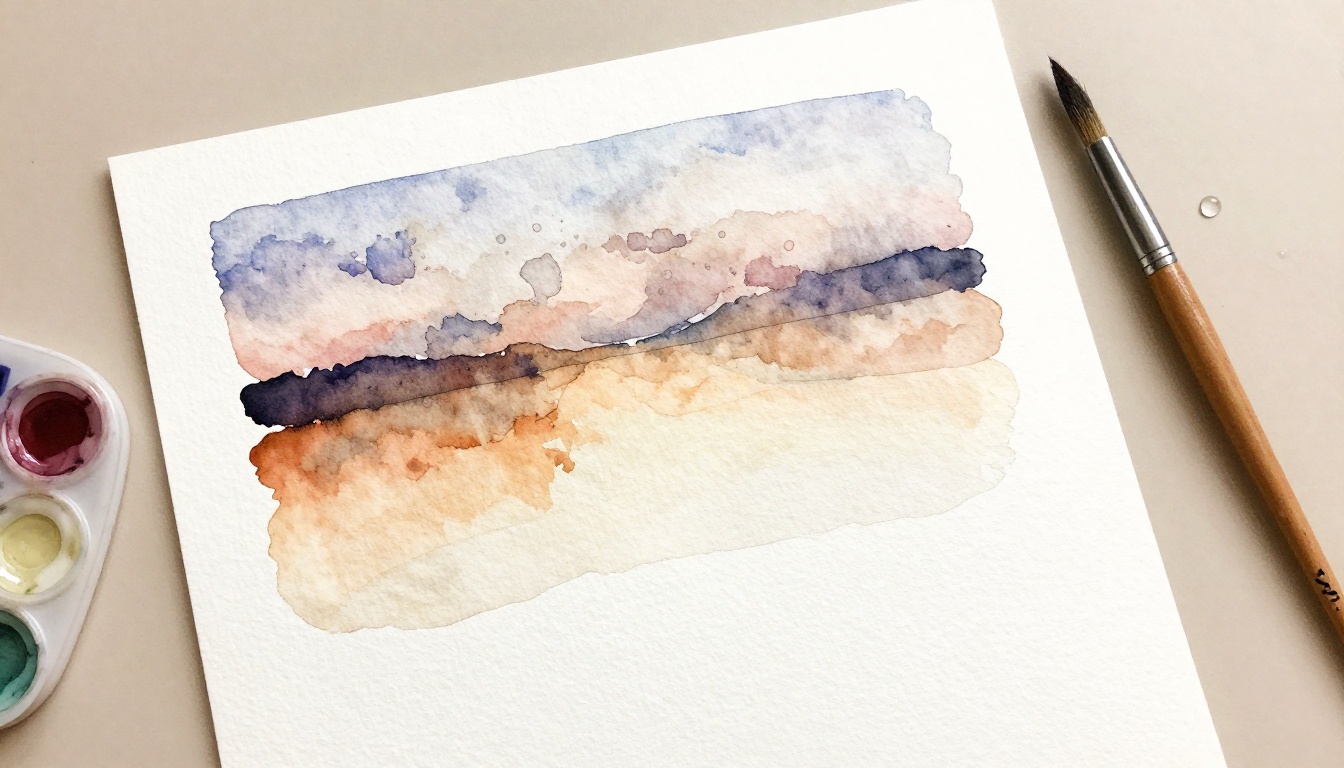
Ever grabbed your brush for a second coat of acrylic paint, only to watch it rip up the layer below? It happens to beginners and pros alike. That frustrating lift ruins your flow and forces restarts.
Acrylics dry fast, which you love, but it also means they stay sticky underneath. Fresh paint re-wets the base and pulls it apart. You can fix this with smart timing and tools. You’ll get smooth blends and vibrant depth without the mess.
Let’s start by understanding why layers lift. Then we’ll cover supplies, steps, and fixes.
Why Acrylic Layers Lift and Simple Ways to Stop It
Acrylic paint dries to touch in minutes, but it takes longer to cure fully. Wet paint on top reactivates the bottom layer’s water content. This softens it and causes tears. Thick applications make it worse because they hold more moisture.
Humidity plays a big role too. High levels slow drying and keep paint tacky. Low temps do the same. Brushes with stiff bristles dig in and lift edges.
You can prevent most issues with basics. Wait for full dry between coats. Apply thin layers. Mix in mediums to slow drying. These steps keep your canvas smooth.
Think of it like stacking wet paper. Rush it, and everything tears. Let it firm up first.
The Role of Drying Time and Paint Thickness
Touch-dry means the surface feels set, often in 10 to 30 minutes. Full cure takes one to seven days, depending on thickness. Always wait at least an hour before layering.
Thick globs trap moisture inside. They shrink unevenly as they dry. Start with washes, thin mixes of paint and water. They dry fast and grip well.
Test dryness by lightly touching a corner. If it sticks to your finger, wait longer. Use a fan on low speed to speed things up. It cuts dry time without dust.
Thin layers bond better. They flex with the surface instead of cracking or lifting.
How Moisture and Environment Play a Part
Humidity above 60 percent keeps paint damp longer. Aim for 40 to 60 percent in your space. Use a dehumidifier if needed. Keep temps around 70 degrees Fahrenheit.
Bathrooms and kitchens trap steam, so paint there. Choose a dry room instead. Fans help air move and evaporate water faster.
Surface matters too. Raw canvas soaks up paint and dries slower. Prime it first to block excess absorption. Wood panels work well because they release moisture evenly.
Control these factors, and your layers stay put.
Gather These Supplies for Smooth Layering Every Time
Stock up on quality items before you start. Good tools make layering easy and reliable. You don’t need expensive gear, but skip the cheapest dollar-store paints.
Grab soft synthetic brushes. They glide without scraping. A stay-wet palette keeps paint workable longer. Add a fan for quick drying.
Palette knives spread thin layers smoothly. Retarder medium slows drying so you blend better.
Budget picks include student-grade paints from brands like Liquitex Basics. They layer well for under $10 a tube.
Clean brushes right after use. Rinse in water, then shape them. Dry storage prevents stiff bristles.
Best Paints and Mediums to Choose
Student paints suit beginners because they cost less and flow nicely. Pros prefer heavy-body lines like Golden or Winsor & Newton for better pigment load.
Matte medium thins paint without shine. Glazing medium adds transparency for depth. Retarder extends open time by 30 to 60 minutes.
Mix ratios matter. Start with one part paint to one part medium for thin coats. For glazes, go three parts medium to one part paint.
These combos prevent lifting because they dry slower and stick stronger. Test small swatches first.
Follow This Step-by-Step Guide to Layer Without a Hitch
Patience pays off here. Rush, and you’ll lift paint. Follow these steps for flawless results.
You’ll build a sky gradient as an example. It shows blending without mud.
- Prep your surface. Prime with two coats of gesso. Sand lightly between them for smoothness.
- Lay a thin base coat. Mix paint 50 percent with water or medium. Brush in one direction.
- Dry fully. Wait one hour or until no tackiness.
- Mix your next layer. Add retarder medium, one part to three parts paint.
- Apply gently. Use light pressure and feather edges.
- Build gradually. Add two to three more layers, drying between each.
This method works for any painting. Time it right, and colors glow.
Step 1: Prime and Base Coat Right
Gesso seals the canvas. Apply thin coats with a wide brush. Let the first dry two hours, then sand with 220-grit paper.
Mix base paint half water, half medium. Stroke evenly, no heavy spots. Dry at least one hour. Fan helps if humidity lingers.
A solid base grips future layers tight.
Step 2: Mix and Apply Your Second Layer Smartly
Stir one part paint with three parts retarder medium. It stays wet longer for smooth edges.
Dip your soft brush lightly. Wipe excess on the palette. Stroke with minimal pressure. Work wet into wet for blends.
Dry fully before the next coat. Check by touch. No stick means go ahead.
Feathering prevents hard lines that lift later.
Step 3: Build Layers for Depth Without Drama
Limit three to five thin layers per session. Glaze with medium-heavy mixes for transparency.
Between sessions, cure 24 hours. It hardens the base completely.
| Layer | Mix Ratio | Dry Time |
|---|---|---|
| Base | 1:1 paint:medium | 1 hour |
| Second | 1:3 paint:retarder | 1-2 hours |
| Glaze | 1:4 paint:medium | 30 min |
This chart keeps timing simple. Thin builds create pro-level depth.
Pro Tips and Fixes for When Things Go Wrong
Cross-hatch strokes lock layers in. Paint horizontal, then vertical next time.
Mist dried paint lightly with a spray bottle before layering. It reactivates the surface gently.
Seal with varnish after full cure. It protects and prevents future lifts.
Canvas warps from thick wet paint? Dry flat with weights on corners.
Experiment with retarder amounts. More slows blending; less speeds buildup.
Troubleshoot Lifting Mid-Painting
Stop painting right away. Let everything dry fully, even overnight.
Sand lifted spots lightly with fine grit. Wipe clean.
Thin your next mix more. Switch to softer brushes.
Prevention checklist:
- Wait full dry times.
- Use mediums always.
- Thin layers only.
- Control room humidity.
These fixes save most paintings.
Layering acrylics gets easier with practice. Master dry times, thin mixes, and mediums. You’ll skip the lifts and love the results.
Try this tonight on a scrap canvas. Share your before-and-after in the comments. What project will you tackle first? Subscribe for more painting tips that save time and frustration.
Your paintings can look pro-level. Just build smart, one smooth layer at a time.