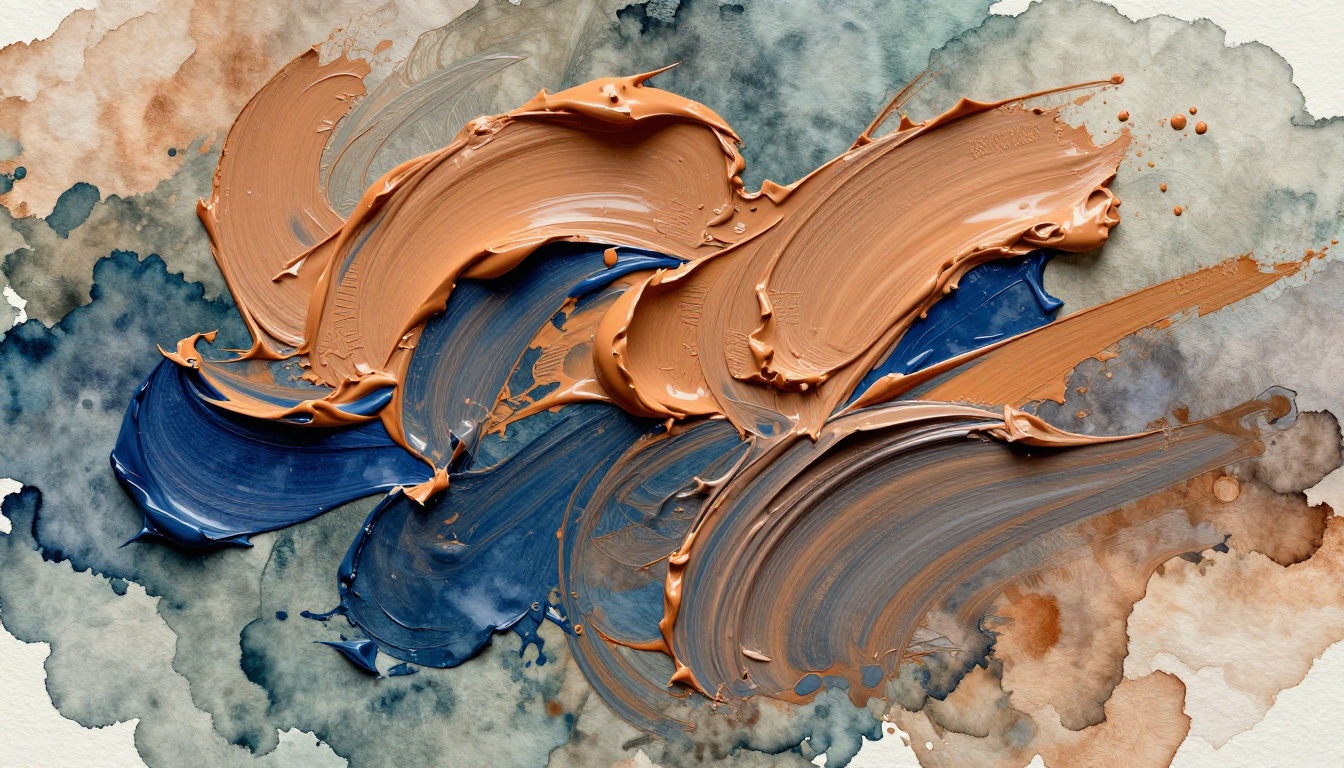
Imagine a painting where ridges of paint twist and rise like frozen waves, catching light in dramatic bursts. That effect comes from impasto, a technique that piles on thick paint for bold, three-dimensional textures. You get more control and wilder marks with a palette knife than any brush.
Brushes often flop under heavy loads. They leave flat strokes. A knife scoops, spreads, and sculpts paint with ease. So you build depth fast. This guide shows you exactly how. You’ll pick the right tools, master basic strokes, add pro techniques, and skip common mistakes. In no time, your art will have that pro-level punch.
Pick Tools That Make Impasto Easy and Fun
Success starts with gear that fits the job. Wrong tools lead to frustration. Pick flexible knives and thick paints instead. They hold peaks without slumping.
Cheap knives bend too much or snap. Quality ones last. Heavy paints stick where you put them. Prep your surface right, and paint grips tight.
Top Palette Knives for Every Skill Level
Beginners do well with short, wide blades around 2 inches across. These spread paint evenly. They feel sturdy in hand.
Intermediate artists like varied shapes. Offset knives keep your hand off wet paint. Cranked handles add comfort for long sessions.
Pros grab sets with pointed tips for details. Stainless steel stays sharp. Look for flexible yet firm blades. Affordable picks under $20 work fine from brands like RGM or Loew Cornell.
Match the knife to your stroke. Wide for skies, pointed for branches. Grip matters too. A good handle prevents slips.
Paints and Mediums Built for Thick Layers
Oils dry slow, so they blend easy. Acrylics set fast for quick layers. Choose heavy body versions over thin student grades.
Golden Heavy Body Acrylics peak well. Winsor & Newton oils hold ridges. Mix in a medium like impasto gel. Start with one part medium to three parts paint.
Test on scrap first. Load your knife. Lift it. Paint should stand tall, not droop. Adjust ratios until it does.
Surface Prep to Prevent Paint Slippage
Smooth canvas lets paint slide off. Rough it up with gesso. Add pumice for extra bite.
Rigid panels beat stretched canvas. They won’t sag under weight. Apply two gesso coats. Sand lightly between.
Wipe clean before painting. Now your thick layers stay put.

Nail Basic Strokes to Build Confident Textures
Practice simple moves first. They build muscle memory. Set up a clean workspace. Grab thick paint.
Scoop a big blob onto your palette. Load the knife full. Then stroke away. You gain speed and control fast.
These strokes mimic Van Gogh’s swirling skies. He stacked impasto for energy. You can too.
Load and Spread Paint Without Mess
- Dip the knife into paint. Cover the whole blade.
- Scrape off excess on palette edge. Keep a thick layer.
- Apply with a rolling motion. Vary pressure for thin spots or fat ridges.
Runny paint? Add medium. Press light for smooth spreads. Push hard for chunks.
Sculpt Peaks, Swirls, and Ridges Effortlessly
Lift straight up for sharp peaks. They catch light best.
Twist the knife for swirls. Go slow for tight curls, fast for waves.
Drag the edge for ridges. Angle low. Build them side by side.
Practice patterns on scrap canvas. Fill a 6×6 inch square. Repeat until smooth. Now try on your real piece.

Level Up with Pro Techniques for Stunning Depth
Basic strokes set the base. Advanced ones add drama. Layer wet paint into wet for soft blends. Or wait for dry edges.
Texture draws the eye. Place it where light hits in your scene. Artists like Lucien Freud piled it thick for raw power.
Don’t overdo. Balance smooth and rough areas.
Layer Smart for Movement and Dimension
Build three to five layers. Start thin, go thick on top.
Blend edges with the knife back. Smooth transitions.
Oils need days to dry between layers. Acrylics take hours. Touch test before adding more.
Carve Details and Add Surprise with Sgraffito
Use the knife tip on semi-dry paint. Scratch fine lines.
Reveal underlayers for veins or cracks. Or etch highlights.
Go light. Deep cuts weaken the surface.
Drag and Scumble for Subtle Texture Magic
Drag a clean knife over a rough base layer. It scumbles color.
Mix with brush marks for hybrids. Fixes dull spots fast.
Light pressure keeps it subtle. Builds mystery.
Dodge Pitfalls and Finish Your Impasto Masterpiece
Too-thin paint slumps. Wrong angle flattens strokes. Thick layers crack if rushed.
Build thin first. Let dry. Varnish seals it all.
Dry pieces flat. No sags.
Quick Fixes for Cracks and Slumps
Prevent cracks with right medium ratios. Strong supports help.
Slumps? Scrape off. Reapply thicker.
Repair cracks by filling with gel. Sand smooth.
Protect and Preserve Your Textured Art
Brush or spray varnish. Matte hides gloss. Gloss amps shine.
Coat even with a soft knife. Two thin layers beat one thick.
Hang away from direct sun. Dust gentle.
Thick impasto grabs attention. Yours will too.
Right tools give you control. Basic strokes build speed. Pro layers add depth.
Grab your palette knife now. Load up paint. Make ridges rise.
Share your first impasto in comments. What stroke surprised you most?
Your textured paintings wait. Start today.